


https://jiji.ng/sellerpage-577707
Grace Izilien
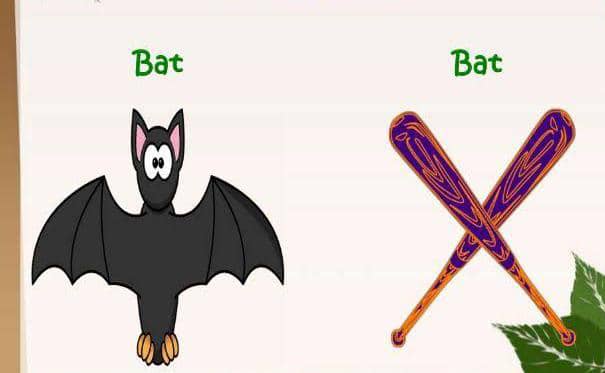
Homonyms are words that are spelled or sound alike but have different meanings. The word “bow,” for example, can mean the front of a ship, a wooden stick, to bend at the waist, or a tied ribbon. This linguistic oddity can also cross language barriers. These bilingual homophones, or “false friends,” include the words “aloud” (which means “ancient” in Dutch), “gift” (which means “poison” in German), and “fart” (which means “speed” in Swedish). Analysed by Snopes.
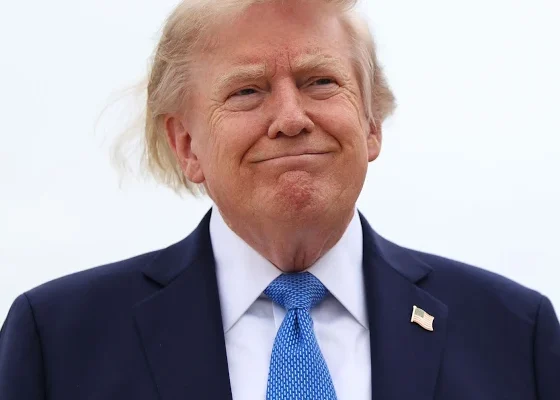
In August 2019, snopes was alerted to another purported false friend: The word “maga,” which American audiences likely know as the acronym for U.S. President Donald Trump’s slogan “Make America Great Again,” means “easily fooled idiot” in Nigerian Pidgin.
Author Kurt Eichenwald was one of the first to bring mainstream attention to this translation in May 2018.
English is the official language of Nigeria. However, pidgin, a grammatically simplified version of a language, is commonly used throughout the country. Nigerian Pidgin, a mixture of English and creole, can also vary slightly depending on the region. As such, it’s difficult to pin down a specific definition for the word “maga.”
For instance, Naija Lingo, an online Nigerian Pidgin English dictionary, provided a different definition for the word maga. According to Naija Lingo, this word means “really messed up” and lists “loser” as a synonym. The example sentence for maga is “my guy na so you maga since you lose your job big fool.”
Kọ́lá Túbọ̀sún, a Nigerian linguist who won the Premio Ostana “Special Prize” for Mother Tongue Literature, a prize given to individuals who advocate for indigenous languages, explored the history of the slang term “maga” for an article published on Medium in 2017. Túbọ̀sún explained that the word “múgùn,” which means “fool” in Yorùbá, another common language in Nigeria, was eventually shortened to “maga” in Nigerian Pidgin in the early 2000s.
According to Túbọ̀sún, maga doesn’t mean much as a stand-alone word, but it is a commonly used expression to describe a specific type of victim: “an online fool who has parted with his/her money and/or emotions for the promise of millions or the promise of a relationship with a prince across the ocean.”
The word “maga” also made it into Nigerian pop culture. Musician Kelly Hansome released a song in 2008 called “Maga Don Pay,” loosely translated to “the maga has paid up,” which, according to Nigerian author Chris Ngwodo, was an “ode to Nigeria’s notorious 419 fraudsters; an unabashed psalm of adoration for their nefarious exploits.”
In 2010, the Microsoft Internet Safety, Security and Privacy Initiative for Nigeria produced a music video that also used the word maga. That song, “Maga No Need Pay,” aimed to raise awareness about cybercrime. In a press release for the song, Microsoft defined the word “maga” as “victim.”
So, in Nigerian Pidgin, the word “maga” refers to a person who falls victim to an online scam.
This fact is often brought up in a way to mock Trump and his supporters. However, it should be noted that this comparison is a bit unfair. In the United States, the word “MAGA” is typically written out in all-capital letters as it is actually an acronym, not a stand-alone word, for the phrase “Make America Great Again.” And, according to snopes analysis, the acronym M.A.G.A. does not translate to “easily fooled idiot” in Nigerian.
© 2025 front-page.com.ng