




By Grace Izilien
“Natural disaster and human displacement are not rare or unexpected. Yet, we often act unprepared.” – AVM Sampson Oritsegbubemi Eyekosi
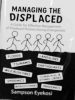
Security experts, humanitarian practitioners, policymakers and civil society leaders converged for the 21st February, 2026 public presentation of “Managing The Displaced” an iconic book authored by respected disaster management strategist Air Vice Marshall Sampson Oritsegbubemi Eyekosi.
The book, formally unveiled at a high-profile ceremony attended by senior military officers, government officials, humanitarian stakeholders and development partners, has been described as a timely intervention in Nigeria’s growing displacement challenges.
A Distinguished Career Behind the Pages
Air Vice Marshal Eyekosi, a senior officer of the Nigerian Air Force, currently serves as Director of Peace Support Operations at the Air Force Headquarters. Over the course of his career, he has built a reputation for strategic planning, operational leadership and humanitarian coordination, particularly in complex emergency environments.
With decades of service spanning national security operations, peace support missions and inter-agency coordination, AVM Eyekosi has played critical roles in strengthening institutional frameworks for crisis response. Colleagues at the launch described him as “a disciplined strategist with deep humanitarian sensitivity,” noting that his experience in operational command uniquely positions him to speak on displacement management.
AVM S Eyekosi’s professional journey includes participation in high-level security assignments, collaboration with multi-agency response teams, and contributions to policy discussions on internal displacement and disaster preparedness. These experiences, he explained, inspired the writing of “Managing the Displaced.”
A Book Born from Experience and Compassion.
Speaking on the book, Eyekosi emphasized that “Managing The Displaced” is not merely theoretical but rooted in practical lessons drawn from years of observing gaps in emergency response systems.
“My motivation for writing this book comes from the profound belief that this effort can bring tangible help and solace to those effected by distaters. It is about moving beyond distant sympathy; to provide real, pragmatic solutions that saves and improve desperate situations.”
He further stressed the urgent need for:
- Proactive disaster preparedness rather than reactive responses
- Transparent management of relief materials
- Clear accountability mechanisms
- Strong inter-agency coordination
- Long-term reintegration strategies for displaced persons
According to the author, displacement management should be treated as both a humanitarian and national security priority.
The event brought together a broad coalition of stakeholders, reflecting the multi-sectoral nature of displacement management. Among those represented were the Olu of Warri, Ogiame Atuwatse III, the Minister of Humanitarian Affairs and Poverty Alleviation, the chief of the Air Staff Air Marshal S K Aneke, chief of the army staff Lt Gen Waidi Shaibu, Policy analysts and academics, Development partners and civil society advocates.
Speakers at the ceremony commended Eyekosi’s effort, describing the book as a blueprint for improving coordination between military authorities, civil agencies and humanitarian actors during emergencies.
Providing an overview, Dr. Richard Aisuebeogun warned that human displacement deserves proactiveness, adding that poor coordination and lack of accountability in humanitarian efforts can trigger further displacement, while in his review of the book, Hon. Henry Nwawuba Jnr, said the book is divided into 20 chapters providing guidelines on how to respond to disasters and displacements.
A National Conversation on Accountability
A major theme highlighted during the event was transparency in the handling of relief materials and support funds. Stakeholders noted that improving accountability mechanisms is essential to restoring public trust and ensuring that aid reaches the most vulnerable.
The book outlines practical frameworks for:
- Resource tracking
- Stakeholder engagement
- Camp management standards
- Reintegration and recovery planning
Several critical stakeholders described “Managing The Displaced” as a policy-relevant manual capable of guiding reforms in Nigeria’s disaster management architecture.
The Olu of Warri, Ogiame Atuwatse III, ably represented by Hon. Misan Ukubeyinje, said Nigeria’s vulnerability to recurring disasters makes a planned response guide essential. He urged federal and state governments to adopt the model outlined in the book for proactive measures.
Beyond Relief: Building Resilience
Eyekosi concluded that managing displaced populations goes beyond providing temporary shelter and food. Instead, he argued for institutional reforms that prioritize resilience, sustainable reintegration, and community rebuilding. In his words: “Natural disaster and human displacement are not rare or unexpected. Yet, we often act unprepared.”
Observers at the launch agreed that “Managing the Displaced” arrives at a critical time, as Nigeria continues to confront recurring floods, conflict-induced displacement, and humanitarian emergencies.
Dr. Bernard Doro, Federal Commissioner Tijjani Aliyu Ahmed who stood in for the Minister of Humanitarian Affairs and Poverty Alleviation, commended the author, noting that the National Commission for Refugees, Migrants and Internally Displaced Persons is currently catering for over 6.7 million displaced Nigerians in camps and host communities nationwide.
“The numbers are huge – more than the population of some Nigerian states. Writing a book about these persons is pure service to humanity,” he said.
The Chairman of the occasion, Mr. Sam Oburoh, described the author as a compassionate, disciplined and committed national asset whose leadership continued to exemplify selflessness and service to nations and humanity.
With its blend of operational insight and policy direction, the book positions Air Vice Marshal Sampson Oritsegbubemi Eyekosi not only as a seasoned military leader but also as an emerging voice in humanitarian governance and national resilience strategy.
© 2026 front-page.com.ng