



By Grace Izilien
“Until economic growth becomes visible in kitchens, classrooms and clinics, Nigeria’s economic expansion will remain, for many, growth on paper – and strain at home. When inflation outpaces wage growth, incomes rise only in name, not in value.”
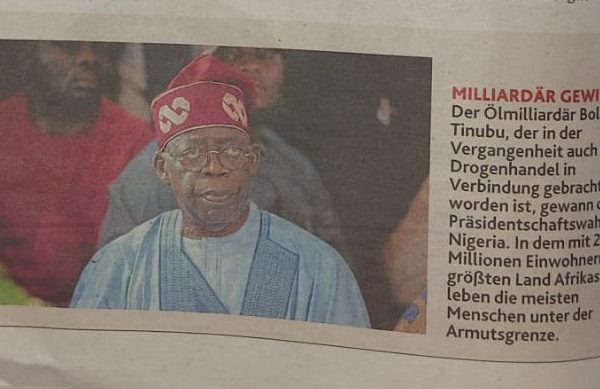
By all official accounts, Nigeria’s economy is growing again. Quarterly GDP reports from the National Bureau of Statistics show steady expansion, with growth hovering between 2.5 and 3 percent in recent periods. The administration of President Bola Ahmed Tinubu has repeatedly emphasized that structural reforms – including fuel subsidy removal and foreign exchange liberalization – are laying the foundation for long-term stability and investor confidence.
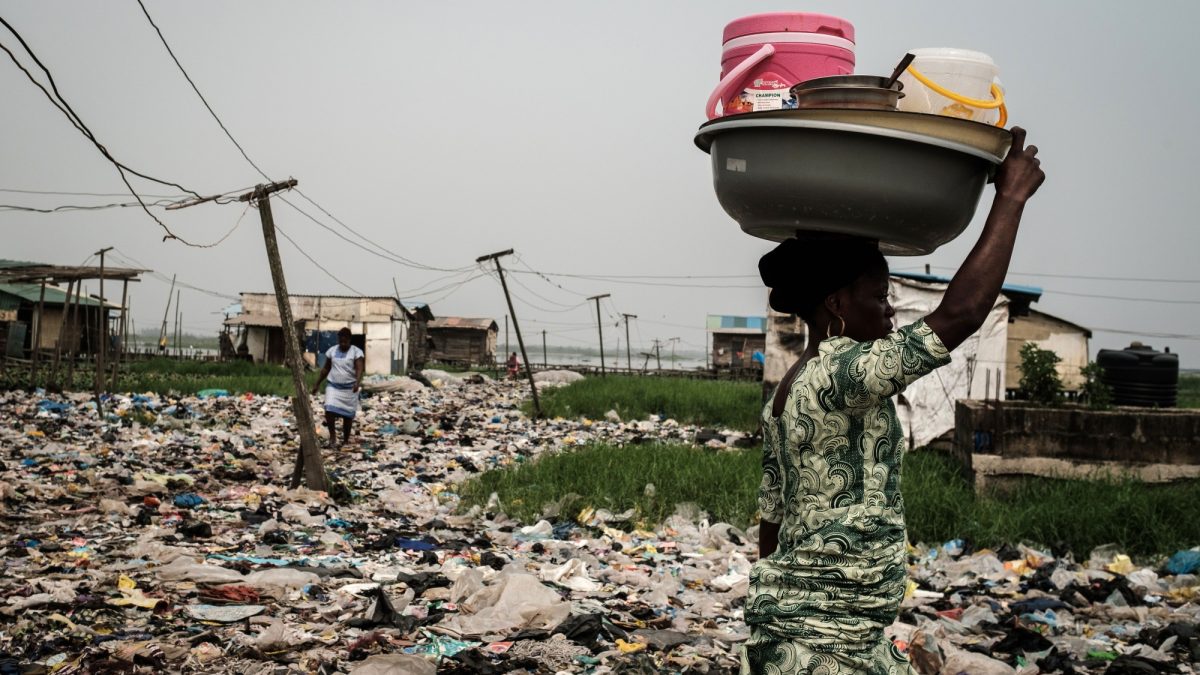
Yet across households in Benin, Lagos, Kano, Port Harcourt, Ibadan, Enugu, etc a different reality is unfolding. For many Nigerians, daily life feels harder than it did just a few years ago. Food is more expensive. Rent is rising. Transport costs have doubled. Savings have evaporated.
The contradiction is stark: a growing economy that leaves millions feeling poorer.
The Inflation Shock
The core driver of Nigeria’s present hardship is inflation. According to data from the National Bureau of Statistics, headline inflation crossed 30 percent in 2024, with food inflation exceeding 35 percent at several points. In some northern states, food prices rose even faster due to insecurity and supply disruptions.
While nominal wages have increased in some sectors – including the new national minimum wage benchmark of ₦70,000 – real purchasing power has declined sharply. When inflation outpaces wage growth, incomes rise only in name, not in value.
For the average Nigerian household, this erosion is most visible at the market. Families now spend between 55 and 60 percent of their income on food. By global standards, such a high food expenditure ratio signals economic vulnerability. In advanced economies, households spend closer to 10 to 15 percent of income on food.
In Nigeria, food is not just sustenance – it is the primary economic burden.
The Middle-Class Squeeze
Nigeria’s economic dilemma is not famine or absolute destitution on a mass scale; rather, it is what analysts describe as “compressed mobility.” The traditional markers of middle-class security – home ownership, car ownership, private education, quality healthcare – are becoming increasingly unattainable.
Take housing. In Lagos and Abuja, the cost of a modest two-bedroom apartment can range between ₦25 million and ₦40 million. Mortgage penetration remains below 1 percent of GDP, and lending rates often exceed 20 percent annually. For a worker earning ₦200,000.00 per month, purchasing a home outright could require decades of total income, excluding daily expenses.
Car ownership tells a similar story. Following naira devaluation and exchange rate unification, the price of imported vehicles more than doubled in naira terms. A used sedan that once cost ₦4 million may now cost ₦8-10 million or more.
Healthcare and education have also surged in cost. Private school fees in many urban centers increased by 30 to 50 percent over the past two years. Imported medical supplies, affected by exchange rate volatility, have become significantly more expensive.
Reform and Its Consequences
The Tinubu administration argues that recent reforms were unavoidable. Fuel subsidies had become fiscally unsustainable, consuming trillions of naira annually. Exchange rate distortions discouraged investment and fueled corruption.
By removing the fuel subsidy and unifying the foreign exchange market, the government sought to stabilize public finances and restore economic credibility. The Central Bank has also tightened monetary policy in an attempt to curb inflation.
Supporters of the reforms contend that short-term pain is necessary for long-term gain. Foreign reserves have shown signs of stabilization, and oil production is gradually recovering. International observers, including the World Bank, have acknowledged the structural logic behind the reforms while cautioning about social impact.
However, economic stabilization at the macro level has not yet translated into relief at the micro level.
Youth and the Mobility Question
Nigeria’s demographic structure makes the situation even more delicate. Over 60 percent of the population is under 25. Youth unemployment and underemployment remain persistently high.
For many young Nigerians, the traditional path to upward mobility – education, stable employment, home ownership – appears increasingly uncertain. Migration has become a primary aspiration. The phenomenon popularly known as “Japa” reflects not merely wanderlust but economic calculation.
When younger generations believe they are unlikely to surpass their parents’ living standards, social confidence weakens. Economic statistics may signal progress, but lived experience determines public sentiment.
Poverty Amid Plenty
Nigeria is Africa’s largest economy by GDP size. Markets are stocked with goods. Mobile phones are widespread. Digital banking is expanding. On the surface, consumption appears modern and connected.
Yet beneath this image lies widespread financial fragility. According to estimates from the World Bank, more than 40 percent of Nigerians live below the national poverty line. Even among those above it, vulnerability remains high. A single health emergency or job loss can push households into crisis.This is not scarcity. It is an affordability stress.
The Political Economy of Perception
Economic divergence between national growth figures and household reality often shapes political trust. When citizens see government announcements of growth but feel declining purchasing power, skepticism grows.
Recent civic activism and public protests linked to cost-of-living pressures underscore the sensitivity of the moment. Economic reform requires social legitimacy. Without visible improvement in living standards, reform fatigue can set in.
The Road Ahead
Nigeria’s challenge is no longer simply achieving GDP growth. It is converting growth into broad-based prosperity. That requires:
- Sustained reduction in inflation
- Agricultural productivity expansion to lower food prices
- Deep mortgage and housing finance reforms
- Stable exchange rate management
- Job-intensive industrial growth
- Strengthened social protection mechanisms
Economic expansion must translate into real wage growth and improved affordability of essential assets.
Nigeria is not an economy in collapse. Nor is it one in shared prosperity. It stands at a crossroads: growing statistically while many households contract financially.
The success of ongoing reforms will ultimately be measured not by quarterly GDP figures, but by whether ordinary Nigerians can afford food without strain, rent without anxiety, and aspire to own homes, educate their children, and build savings.
Until economic growth becomes visible in kitchens, classrooms and clinics, Nigeria’s economic expansion will remain, for many, growth on paper – and strain at home.
© 2026 front-page.com.ng