


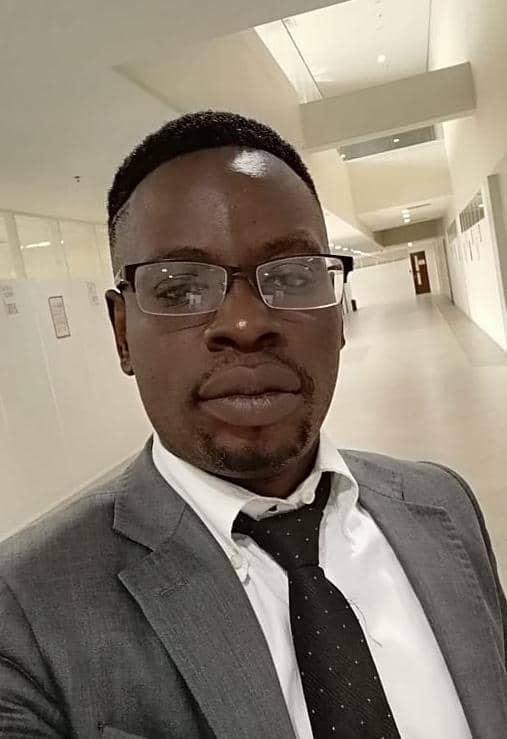
By Opeyemi Idowu
In the past weeks, social media has been flooded with debates over the authenticity of a viral healing claims involving a crippled man and a “man of God.” As expected, opposing views and reactions have been intense and deeply polarizing. Opinions by medical professionals suggested that the healing may not be genuine, with some branding it as staged.
These opinions have fueled cycles of mockery, defense, and hostility online. Away from the social media feud, neutrals continue to wonder why an issue simpler than it appears is being flogged endlessly, a direct challenge to Nigeria’s media eroding investigative journalism.
In 2019, Al Jazeera’s investigative unit report exposed fraudulent spiritual healing practices carried out in several Islamic “ruqyah” healing centers across Indonesia, the world’s largest Muslim-majority country. Ruqyah is a legitimate Islamic practice involving prayers from the Qur’an, but the investigation revealed how some operators exploited it for deception and profit.
Undercover journalists documented mosques and healing centers where worshippers were told they were possessed by jinn or afflicted by black magic. During sessions, dramatic “deliverances” were staged, with participants screaming, collapsing, or convulsing – scenes presented as proof of spiritual healing. Medical experts later confirmed that many reactions were psychological, induced by suggestion, fear, or peer pressure, rather than any supernatural cause.
The investigation uncovered that some “patients” were regular participants coached to exaggerate reactions to impress newcomers. Others were pressured into repeat sessions, costly spiritual items, or donations, under the warning that failure to comply would worsen their spiritual condition. In several cases, people abandoned medical treatment after being told prayer alone would cure serious illnesses.
Two years later, BBC Africa Eye released a landmark investigative documentary that exposed alleged fake spiritual healings at the Synagogue Church of All Nations (SCOAN), led by late Nigerian televangelist TB Joshua. The investigation followed months of undercover reporting and testimonies from former church insiders.
The broadcast giant uncovered evidence that supposed miracles – such as healings from HIV, paralysis, and cancer were staged. Some of the church’s inner circle revealed that individuals presented as sick during church services were often actors or coached participants. In some cases, people were instructed to exaggerate symptoms or falsely claim medical conditions, only to later testify that they had been “miraculously healed.”
Hidden-camera footage and insider accounts showed that selected individuals were rehearsed before services, while genuine sick people who did not fit the narrative were excluded from the altar. Some participants said they were pressured to maintain the healing story even when their conditions did not improve, to protect the church’s image and sustain donations from followers across Africa and beyond. That was real journalism by the BBC.
As more claims of “spiritual healings” unfold unverified, expectations for proper and independent investigations by Nigerian media in these spiritual activities increase. There are calls to engage and interrogate families and communities of the “lucky beneficiaries” of these “healings” in order to objectively establish existing verifiable medical conditions, prior to any spiritual healing, while keeping an eye on the corresponding healing process afterward.
Facts, not assumptions, should lead the conversation. Beyond verification lies a deeper questions we often avoid – what if healing, whether spiritual, psychological, or psychosomatic, is part of Africa’s peculiar natural endowment? What if, instead of acrimonious and needless banter, such claims are vetted through official attention and curiosity?
History reminds us that many scientific breakthroughs began as misunderstood phenomena or experimentations. The prevailing events may have unwittingly presented an opportunity for us to conduct more research for greater insight and understanding, rather than downgrading this very important discourse to mere suspicion.
The Nigerian media have failed in its responsibility at championing better and practical answers to growing questions. Do some individuals possess unusual healing prowess? What processes or discipline shape them? Are there patterns or mechanisms that can be observed, tested, or documented for overall well-being of citizens? If approached and pursued vigorously, with sincerity of purpose, the social media unhealthy dispute about spiritual healings and its veracity could birth an entirely new field of study rooted in African spiritual, cultural, and human realities. This would not diminish science but expand it. At the very least, we owe ourselves investigation before condemnation. At best, we may be standing at the threshold of a rare discovery born out of our own peculiar curiosity, strengths and weaknesses.
Opeyemi Idowu writes from Lagos. ohpeyemi@gmail.com
© 2026 front-page.com.ng